UTERINE FIBROIDS – WHAT THEY ARE, WHAT THEY AREN’T, AND WHO GETS THEM
70% of women will have uterine fibroids in their life.
Uterine Fibroids are the most common benign tumor of the uterus and can cause symptoms such as heavy bleeding, pelvic pain or pressure, painful sex, constipation, and urinary frequency.
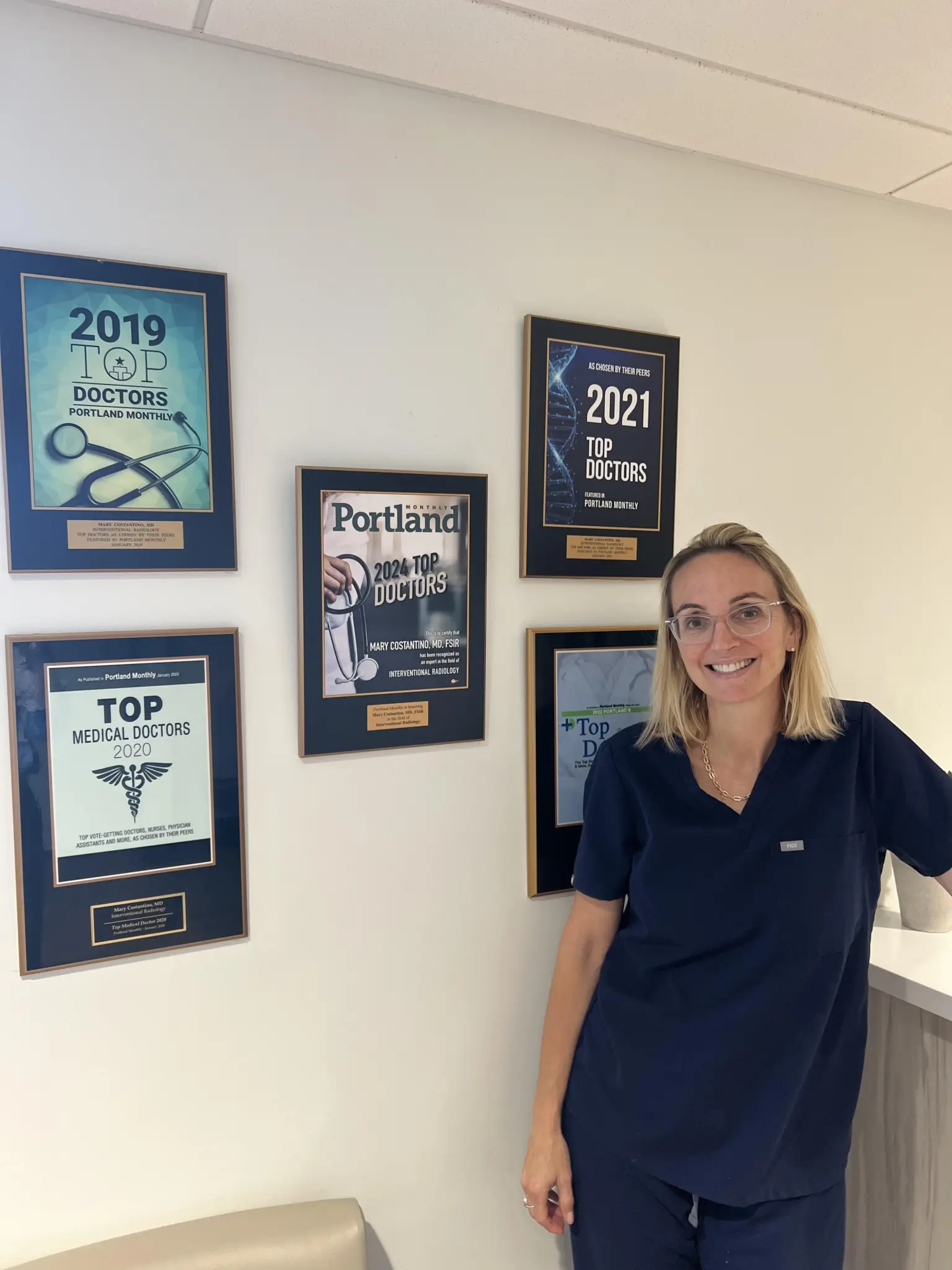
At AVC, our award-winning physicians are expertly trained to use non-surgical minimally invasive procedures, using advanced imaging and device technology, to achieve effective results. During the same-day outpatient procedure, the uterus is not removed and unlike traditional surgeries, you won’t have a large incision or stitches.
Contact AVC to see if a non-surgical procedure may be right to treat your fibroids.
Uterine Fibroid Overview
Uterine fibroids are considered “benign” because they are not as-sociated with any increased risk of uterine cancer. But that does not mean that fibroids do not cause moderate to severe symptoms.
In terms of “who gets fibroids,” the answer is “most women. ”It has been estimated that as many as 50–70% of Caucasian women and 80% of African-American women develop fibroids by the age of 50. That said, there are factors that can increase your risk of developing fibroids:
- Age: Fibroids become more common as you age, especially during your 30s and 40s. After menopause, fibroids can slowly shrink.
- Family history: If you have a family member who has fibroids, your risk is higher. For example, if your mother had fibroids, your risk of developing them yourself is about three times higher than average. Ethnicity. African-American women are more likely to develop fibroids than Caucasian women, and are more likely to develop fibroids at younger ages.
- Identical twins: are more likely to develop fibroids than non- identical twins.
- Identical twins: are more likely to develop fibroids than non- identical twins.
- Identical twins: Environmental factors. Onset of menstruation at an early age, use of birth control, having a vitamin D deficiency, having a diet high in red meat and low in vegetables, and drinking alcohol all appear to increase your risk of developing fibroids.
Uterine Fibroid Overview
Uterine fibroids are considered “benign” because they are not as-sociated with any increased risk of uterine cancer. But that does not mean that fibroids do not cause moderate to severe symptoms.
In terms of “who gets fibroids,” the answer is “most women. ”It has been estimated that as many as 50–70% of Caucasian women and 80% of African-American women develop fibroids by the age of 50. That said, there are factors that can increase your risk of developing fibroids:
- Age: Fibroids become more common as you age, especially during your 30s and 40s. After menopause, fibroids can slowly shrink.
- Family history: If you have a family member who has fibroids, your risk is higher. For example, if your mother had fibroids, your risk of developing them yourself is about three times higher than average. Ethnicity. African-American women are more likely to develop fibroids than Caucasian women, and are more likely to develop fibroids at younger ages.
- Identical twins: are more likely to develop fibroids than non- identical twins.
- Identical twins: are more likely to develop fibroids than non- identical twins.
- Identical twins: Environmental factors. Onset of menstruation at an early age, use of birth control, having a vitamin D deficiency, having a diet high in red meat and low in vegetables, and drinking alcohol all appear to increase your risk of developing fibroids.
Uterine Fibroid Overview
Uterine fibroids are considered “benign” because they are not as-sociated with any increased risk of uterine cancer. But that does not mean that fibroids do not cause moderate to severe symptoms.
In terms of “who gets fibroids,” the answer is “most women. ”It has been estimated that as many as 50–70% of Caucasian women and 80% of African-American women develop fibroids by the age of 50. That said, there are factors that can increase your risk of developing fibroids:
- Age: Fibroids become more common as you age, especially during your 30s and 40s. After menopause, fibroids can slowly shrink.
- Family history: If you have a family member who has fibroids, your risk is higher. For example, if your mother had fibroids, your risk of developing them yourself is about three times higher than average. Ethnicity. African-American women are more likely to develop fibroids than Caucasian women, and are more likely to develop fibroids at younger ages.
- Identical twins: are more likely to develop fibroids than non- identical twins.
- Identical twins: are more likely to develop fibroids than non- identical twins.
- Identical twins: Environmental factors. Onset of menstruation at an early age, use of birth control, having a vitamin D deficiency, having a diet high in red meat and low in vegetables, and drinking alcohol all appear to increase your risk of developing fibroids.
Uterine Fibroid Overview
Uterine fibroids are considered “benign” because they are not as-sociated with any increased risk of uterine cancer. But that does not mean that fibroids do not cause moderate to severe symptoms.
In terms of “who gets fibroids,” the answer is “most women. ”It has been estimated that as many as 50–70% of Caucasian women and 80% of African-American women develop fibroids by the age of 50. That said, there are factors that can increase your risk of developing fibroids:
- Age: Fibroids become more common as you age, especially during your 30s and 40s. After menopause, fibroids can slowly shrink.
- Family history: If you have a family member who has fibroids, your risk is higher. For example, if your mother had fibroids, your risk of developing them yourself is about three times higher than average. Ethnicity. African-American women are more likely to develop fibroids than Caucasian women, and are more likely to develop fibroids at younger ages.
- Identical twins: are more likely to develop fibroids than non- identical twins.
- Identical twins: are more likely to develop fibroids than non- identical twins.
- Identical twins: Environmental factors. Onset of menstruation at an early age, use of birth control, having a vitamin D deficiency, having a diet high in red meat and low in vegetables, and drinking alcohol all appear to increase your risk of developing fibroids.

FAQS
UTERINE FIBROIDS ARE ONE OF THE MOST COMMON ISSUES WOMEN FACE IN THEIR HEALTH.
Far far away, behind the word mountains, far from the countries Vokalia and Consonantia, there live the blind texts. Separated they live in Bookmarksgrove right at the coast
Far far away, behind the word mountains, far from the countries Vokalia and Consonantia, there live the blind texts. Separated they live in Bookmarksgrove right at the coast
Far far away, behind the word mountains, far from the countries Vokalia and Consonantia, there live the blind texts. Separated they live in Bookmarksgrove right at the coast
Far far away, behind the word mountains, far from the countries Vokalia and Consonantia, there live the blind texts. Separated they live in Bookmarksgrove right at the coast
Far far away, behind the word mountains, far from the countries Vokalia and Consonantia, there live the blind texts. Separated they live in Bookmarksgrove right at the coast
Far far away, behind the word mountains, far from the countries Vokalia and Consonantia, there live the blind texts. Separated they live in Bookmarksgrove right at the coast
Far far away, behind the word mountains, far from the countries Vokalia and Consonantia, there live the blind texts. Separated they live in Bookmarksgrove right at the coast
Far far away, behind the word mountains, far from the countries Vokalia and Consonantia, there live the blind texts. Separated they live in Bookmarksgrove right at the coast
Far far away, behind the word mountains, far from the countries Vokalia and Consonantia, there live the blind texts. Separated they live in Bookmarksgrove right at the coast
Far far away, behind the word mountains, far from the countries Vokalia and Consonantia, there live the blind texts. Separated they live in Bookmarksgrove right at the coast
TESTIMONIALS